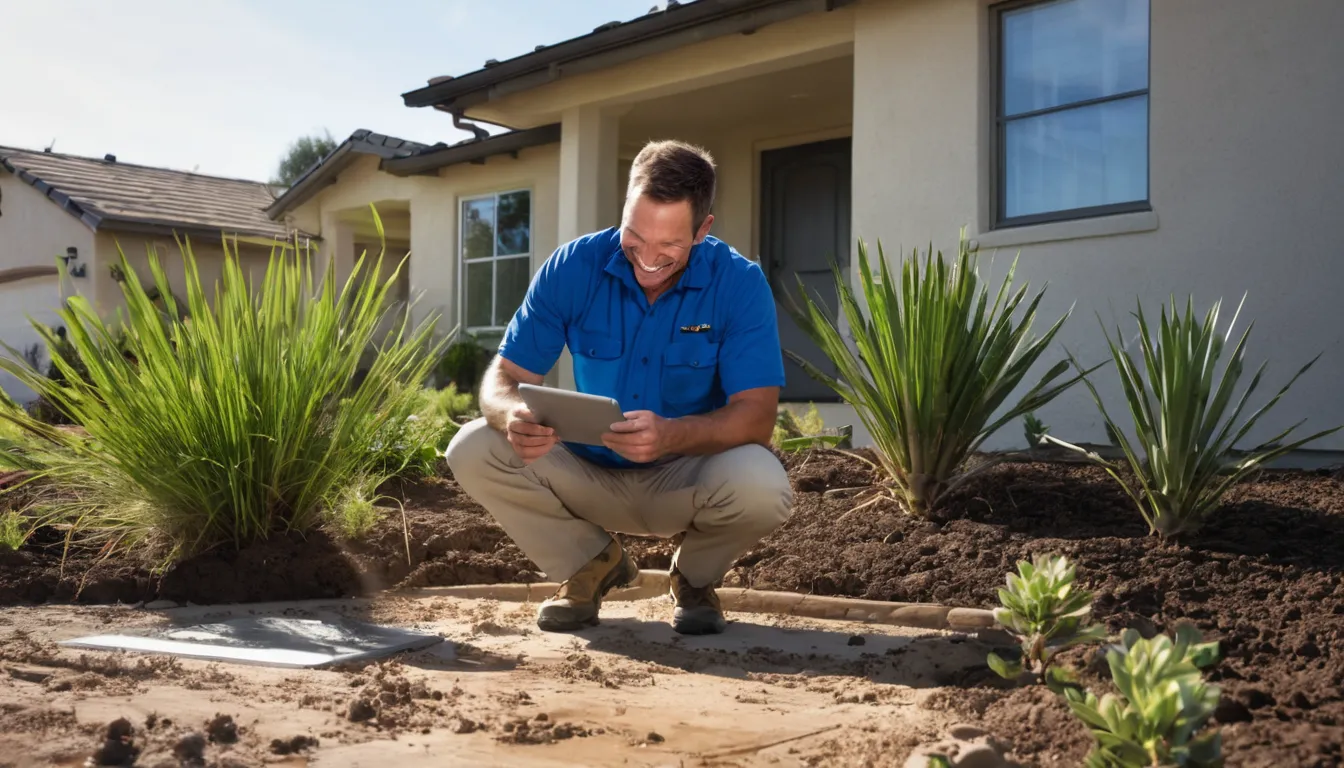
Home Termite Treatment From Local Providers
Request an estimate for termite help
Is it really termites? Maybe. Winged insects near a window, thin mud tubes on a wall, or wood that sounds hollow are all worth a closer look. The good news is that termite problems are common and treatable. A licensed provider can inspect the home, name the type of termite, and explain the options in plain words.
Hopemuscle Pest Control is a referral service. We do not inspect or treat homes. We listen to what you are seeing, then connect you with an independent provider in our network who serves the Arcadia area. The provider sets the price, the plan, and the schedule. You can ask questions, compare, and say no. Request an estimate to start, or call if you would rather talk it through.
Think You Have Termites? Start Here
What did you just find? A swarm of tiny winged insects? A tube of dried mud? A baseboard that gives when you press it? Any of these can point to termites. None of them means your house is falling down.
Termites work slowly and quietly, mostly out of sight. That is why a calm, quick next step beats a panicked one.
Breathe, Then Photograph
First, breathe. Then grab your phone. Take clear photos of the insects, the mud, the wood, and any tiny holes. Add a coin next to small items so the size is clear. A provider can learn a lot from good photos before anyone visits.
Is This Urgent?
Short answer: it deserves attention soon, but it is rarely a middle-of-the-night emergency. Termites usually cause damage over months and years, not hours. Still, they do not stop on their own. A colony keeps feeding as long as there is wood.
Many providers can respond quickly, but availability varies. A short wait for a proper inspection is fine. A long wait is where problems grow.
What Should You Not Do Yet?
Resist the urge to spray store-bought products on the spot. Sprays can scatter termites and make them harder to find and treat. Do not tear out wood before the inspection either. Leave the evidence in place so the provider can see it.
What Are the Warning Signs?
Not sure what you are looking at? Here is a simple checklist. Walk the house with a flashlight and your phone.
Signs Outside the House
- Pencil-width mud tubes on foundation walls, slab edges, or crawl space piers
- Soft or layered wood on fences, decks, and eaves
- Piles of tiny pellets that look like sawdust or coffee grounds
- Discarded wings near doors and window frames
Stucco ranch homes on slabs can hide trouble behind the finish. Look closely at the line where stucco meets the ground.
Signs Inside the House
- Hollow sound when you tap baseboards or door frames
- Paint that bubbles or sags for no clear reason
- Doors and windows that suddenly stick
- Tiny holes in wood with fine powder below
Older bungalows and 1950s to 1980s tract homes often have wood framing close to the soil. That makes these spots worth a second look.
Which Kind of Termite Is It?
Why does the type matter? Because each one is treated differently.
Subterranean Termites
These live in the soil and travel to your home through mud tubes. They need moisture. Winter rain events can bring them closer to the surface. Treatment usually focuses on the soil around the foundation.
Drywood Termites
These live inside the wood itself and need no contact with the ground. Their clue is small, dry pellets. In long dry seasons, this type can be a real concern. Treatment may be targeted or cover the whole structure.
How Does Termite Treatment Work?
What will the provider actually do? First, they inspect. Then they explain what they found and offer a written plan.
Barriers, Baits, and Spot Treatment
For soil-based termites, a provider may apply a liquid treatment around the foundation or place bait stations around the yard. For small drywood spots, a targeted treatment may be enough.
Tenting and Heat
When drywood termites are widespread, a provider may suggest whole-structure fumigation under a tent, or heat treatment. These take planning, since your household may need to stay elsewhere for a few days. Ask the provider to list every step you must do beforehand.
Who Does the Work, and Who Are We?
Here is the honest part. Referrals, not repairs. Hopemuscle Pest Control does not inspect, spray, tent, or fix anything. Independent providers in our network do all of that, and they run their own businesses.
Our part is simple. We listen to what you are seeing, share it with a provider who serves your area, and route your request. If you call, you reach the referral line, and the provider takes it from there. The provider gives you the quote.
Do You Need a Termite Inspection to Sell a Home?
Often, yes. Many buyers and lenders ask for a wood-destroying pest report during a sale. Rules differ by state and by loan type, so ask your agent what applies to you.
If the report finds activity, you can usually treat it before closing. Ask the provider what paperwork they supply afterward.
How Do You Choose a Provider?
Ask, then compare. Get at least two written quotes if you can. Look for these things:
- A current state license, which you can ask to see
- A clear name for the termite type and the treatment
- A written scope, with the areas covered and not covered
- Plain terms on any renewal or re-treatment
Do not feel rushed by a pushy pitch. A good provider is happy to answer questions.
What Happens After Treatment?
Expect a follow-up plan. Some providers return for a re-check. Others offer yearly monitoring for a fee. Ask what is included in writing.
Some policies may cover sudden damage, but termite damage is often excluded, so check your policy. Providers can often help document damage for a claim.
Keeping Termites From Coming Back
- Fix leaky pipes, gutters, and sprinklers near the foundation
- Keep wood, mulch, and firewood off the walls
- Clear plants that touch stucco or siding
- Keep crawl space vents open and clear
- Schedule a yearly inspection
What's Included
Written Inspection
A provider checks the foundation, attic, and wood framing, then explains what they found in plain words.
Type Identification
They name the termite type so the treatment fits the problem.
Treatment Plan
You get a written plan showing the method, the areas covered, and the timing.
Follow-Up Options
Ask about re-checks and yearly monitoring so you know what comes after treatment.
What Might Termite Treatment Cost?
Prices vary by home size, termite type, and method. These are typical U.S. ranges only. Ask each provider for a written quote before agreeing to any work.
| Item | Typical range | Notes |
|---|---|---|
| Termite inspection | $75 – $300 | Some providers fold it into treatment pricing |
| Spot treatment (drywood) | $200 – $900 | Works for small, easy-to-reach areas |
| Liquid soil barrier | $1,200 – $3,500 | Depends on the linear feet around the home |
| Bait station system | $1,500 – $3,500 | Often includes monitoring visits |
| Tent fumigation | $1,500 – $6,000 | Larger homes cost more; you stay out for a few days |
| Yearly monitoring plan | $100 – $400 | Ask what the plan covers in writing |
How It Works
Photograph the Signs
Take clear photos of insects, mud tubes, wings, and damaged wood. Leave everything in place.
Request an Estimate
Share what you see through the form. Request a callback to check provider availability.
Meet the Provider
A local provider inspects, names the termite type, and explains the options.
Compare and Decide
Review the written quote, ask questions, and choose the plan that fits.
Why Call Hopemuscle Pest Control
Plain-Spoken Referral Model
We tell you up front that we connect you with providers and never do the work ourselves.
Local Providers
Independent providers in our network serve your area and know local homes, soil, and seasons.
No Obligation
Request an estimate, ask questions, and compare. You choose whether to move forward.
Calm Guidance
Simple first-hour steps help you stay steady and gather useful details.
Other Services
Need home termite treatment in Arcadia?
Tell us what you are seeing at home. Send the short request form and we will point you toward a local provider in our network.
No obligationHome Termite Treatment FAQ
How do I know if I have termites or just ants?
Termites have thick waists, straight antennae, and wings of equal length. Flying ants have pinched waists, bent antennae, and uneven wings. Take a clear photo and share it with the provider, who can confirm what you found.
Can I treat termites myself with store-bought products?
Store products may kill a few visible insects, but they rarely reach the colony. Spraying can also scatter termites and hide the real problem. A licensed provider can inspect first and recommend a proper method for your home.
Does homeowners insurance cover termite damage?
Many policies exclude termite damage, though some may cover sudden damage. Check your policy and ask your insurer. Providers can often help document damage for a claim, so ask for a written report.
Request a callback
Tell us what you are seeing at home. Send the short request form and we will point you toward a local provider in our network.
No obligation